Why High Quality Issues in Storage Tank Manufacturing: A Comprehensive Guide
In the domain of storage tank manufacturing, high quality is not just a quality yet a fundamental requirement that underpins safety and security, effectiveness, and regulatory compliance. The strenuous adherence to developed standards such as those set by API and ASME plays a crucial role in guarding versus operational failings and ecological hazards. However, the implications of high quality expand past mere compliance; they include cost-effectiveness and long-lasting efficiency. As we discover the complex measurements of quality in this market, one need to take into consideration how these elements collectively affect both the track record and success of suppliers. What vital facets should be focused on to guarantee ideal results?

Importance of Top Quality Assurance
Quality control plays a vital function in the manufacturing of storage tank, as it directly affects long life, performance, and safety and security. By implementing extensive quality guarantee processes, makers can ensure that each storage tank fulfills the required specs and standards needed for its intended use. This dedication to quality safeguards versus potential failings, which can result in catastrophic failures or hazardous leaks, thus shielding both human life and the setting.
Along with security, quality control boosts the general performance of storage tank. Tanks built with high-quality materials and accurate craftsmanship are much better geared up to hold up against varying environmental problems, such as temperature level variations and exposure to harsh substances. This resilience not just prolongs the life expectancy of the containers but additionally reduces maintenance prices gradually.
Furthermore, a solid quality assurance program promotes trust fund and dependability amongst stakeholders, consisting of clients, regulative bodies, and the neighborhood at huge. When suppliers focus on quality, they demonstrate their commitment to excellence, placing themselves as leaders in the sector. Inevitably, the importance of quality control in storage tank manufacturing can not be overstated, as it lays the structure for secure, efficient, and resilient storage options.
Trick Manufacturing Standards
In the domain of storage tank manufacturing, adherence to vital manufacturing standards is vital for ensuring safety and integrity. An introduction of industry laws supplies a framework within which quality control procedures can be successfully implemented. Recognizing these standards is necessary for producers to preserve compliance and attain quality in their products.
Industry Rules Review
Ensuring compliance with sector laws is crucial for the manufacturing of storage tank, as these requirements dictate the safety and security, durability, and environmental influence of the items. Different organizations develop these guidelines, including the American Oil Institute (API), American Culture of Mechanical Engineers (ASME), and Epa (EPA) These entities lay out considerable specifications and standards that makers should follow in order to ensure the structural honesty and operational efficiency of storage tank.
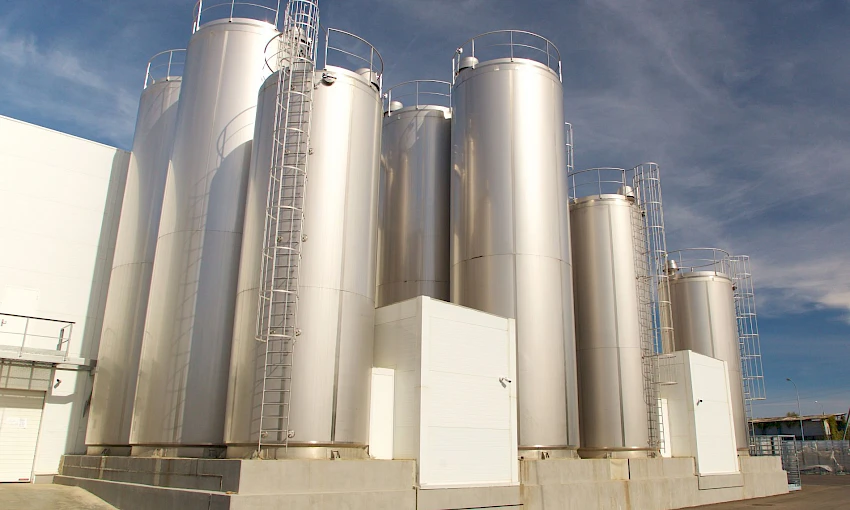
Compliance with these requirements not only minimizes threats connected with leakages and failings but also enhances the total credibility of producers within the market. Regular audits and evaluations are commonly needed to verify adherence to these policies, emphasizing the significance of maintaining stringent quality control throughout the manufacturing procedure. Eventually, understanding and carrying out these guidelines is important for any organization intending to generate risk-free and reputable storage solutions.
Quality Control Processes
A robust quality control procedure is crucial in the manufacturing of storage tank, acting as a structure to support industry requirements and requirements. This procedure incorporates several critical points, consisting of material choice, design recognition, producing treatments, and final evaluations. Each stage is governed by well established standards, such as the American Culture of Mechanical Designers (ASME) and the American Oil Institute (API), which determine the minimal needs for high quality and safety.
Throughout product selection, only licensed and tested materials should be used, guaranteeing structural stability and resistance to corrosion. Layout validation involves thorough design evaluations to confirm that the tank can endure functional problems, consisting of pressure and temperature level variants.
Manufacturing procedures need to be meticulously documented and complied with to assure consistent high quality. This consists of welding techniques, joint examinations, and non-destructive testing (NDT) approaches to determine any prospective problems early in the process. Lastly, considerable assessments and testing of the finished product are important to validate conformity with regulatory requirements.
Implementing an extensive high quality guarantee procedure not just improves item integrity but likewise safeguards versus potential failures, ultimately securing both the atmosphere and public safety and security.
Types of Storage Tanks
In the domain of storage tank manufacturing, comprehending the numerous sorts of tanks is important for meeting particular market demands. This conversation will certainly cover an overview of storage tank products, common style variations, and specialized applications tailored to varied operational demands. By analyzing these aspects, manufacturers can guarantee peak performance and conformity with top quality requirements.
Tank Materials Overview
Tank are vital structures for the secure control of various liquids and gases, and their products considerably influence both efficiency and durability. The choice of product effects not just the structural integrity yet also the compatibility with the saved components, resistance to environmental variables, and general maintenance demands.
Common products for storage tank include carbon steel, stainless-steel, fiberglass-reinforced plastic, and concrete. Carbon steel is widely made use of because of its toughness and cost-effectiveness, making it appropriate for a variety of applications, although it might require safety finishings to avoid rust. Stainless steel uses improved corrosion resistance and is ideal for keeping hostile chemicals or food items.
Fiberglass-reinforced plastic is light-weight, corrosion-resistant, and appropriate for underground setups, but it might not withstand heats as successfully as steel tanks. Concrete tanks are long lasting and typically used for large storage, especially for water, yet they can be vulnerable to fracturing and require cautious design to reduce leak.
Selecting the suitable product is vital to making sure safety and security, conformity with laws, and minimizing long-lasting functional prices in storage tank manufacturing.
Common Design Variations
Comprehending the different layout variants of storage tank is important for enhancing performance and performance in their desired applications. Tank can be categorized into a number of types based on their style, products, and meant usage.
One usual kind is the upright storage tank, which makes best use of the area for fluid storage space while decreasing the footprint. These storage tanks are frequently used for water, chemicals, and fuels. On the other hand, straight storage tank are created for bigger quantity capabilities and are usually made use of in industrial applications where space is limited.
Additionally, double-walled tanks offer an additional layer of security by reducing the danger of leaks, making them appropriate for dangerous substances. Specialized layouts such as round or rectangle-shaped storage tanks are tailored to specific demands, affecting aspects like pressure resistance and ease of access for upkeep.
In addition, differing storage tank setups, such as conelike or flat-bottomed designs, influence drain efficiency and general functionality. Each layout variation offers distinct functions, emphasizing the value of selecting the proper type based on the details storage demands and ecological considerations.
Specialized Tank Applications
Numerous storage tank designs deal with details needs and applications, highlighting the value of tailored services in the sector - Oil Field Storage Tank Fabricator Texas. Specialized storage tank applications are essential in sectors such as oil and gas, chemicals, water treatment, and food storage, where distinct demands dictate style functions and materials
For example, double-walled containers are essential for dangerous materials, offering an additional layer of security against leaks and environmental contamination. In contrast, insulated storage tanks are made for temperature-sensitive products, making certain that contents stay stable during storage. Underground storage space containers (USTs) are typically used for petroleum items, needing strict regulatory conformity and corrosion-resistant products.
Furthermore, vertical storage tanks are frequently utilized in space-constrained environments, while horizontal storage tanks promote easier transport and setup - Storage Tank Manufacturing. Tanks made for certain chemicals may make use of specific finishings to prevent deterioration and destruction, guaranteeing long life and dependability
The option of the proper storage tank type is important for operational effectiveness and safety. Recognizing these specialized applications aids makers and users in making educated decisions, eventually resulting in enhanced performance and compliance in numerous industries. Customized solutions not only address unique difficulties but additionally enhance general job results.
Effect on Security and Conformity
The integrity of storage tank manufacturing straight influences security and compliance requirements across sectors. Top notch manufacturing processes assure that storage tanks are constructed to hold up against the chemical and physical stress and anxieties imposed by their components, consequently protecting against leaks, spills, and potential environmental contamination. Compliance with regulative frameworks, such as the Environmental Defense Firm (EPA) and Occupational Safety And Security and Health Administration (OSHA) standards, is critical. Non-compliance can result in serious fines and legal repercussions, making top quality a non-negotiable facet of tank production.
In addition, the selection of products and manufacturing techniques plays an important function in improving the resilience and safety of storage tank. Containers that exceed or meet sector standards are less most likely to experience architectural failures, which can pose significant threats to employees and surrounding communities. In addition, routine evaluations and adherence to finest practices in quality assurance are vital for preserving compliance over the tank's functional life expectancy.
Cost Implications of Top Quality
Buying quality throughout the manufacturing of storage tank can considerably impact total expenses, both positively and adversely. High-grade products and proficient workmanship generally cause higher initial expenditures. Nevertheless, these investments commonly bring about substantial cost financial savings over time. For example, containers manufactured to rigid quality requirements are much less likely to deal with corrosion, leaks, or architectural failings, consequently decreasing upkeep and replacement costs.
Alternatively, going with lower-quality materials may appear cost-effective originally, but can result in costly fixings, regulatory fines, and possible operational disruptions. Texas Oil & Gas Storage Tank Fabrication Authority. Firms may likewise encounter raised liability costs associated with crashes arising from poor containers, which can drastically influence their monetary standing and track record
Additionally, top notch storage tank can improve operational efficiency, making the most of storage space capability and decreasing downtime. This effectiveness converts right into better resource administration and total profitability.
Long-Term Performance Advantages
Resilience works as a foundation in the long-term efficiency of storage tank, greatly influencing their functional integrity and life expectancy. Top quality manufacturing warranties that storage tanks are created from robust products, efficient in standing up to various ecological stresses, consisting of temperature level changes, deterioration, and physical effects. This strength considerably lowers the possibility of leakages and structural failures, which can bring about costly downtime and ecological threats.
Additionally, quality manufacturing procedures incorporate why not try here complete screening and evaluation procedures, assuring that every tank meets rigid sector standards. Storage Tank Manufacturing. This interest to information not just boosts the container's integrity but also promotes confidence amongst operators regarding its performance over time. A well-manufactured storage tank calls for much less constant repair and maintenance, translating into lower operational costs and increased productivity
Additionally, the longevity of storage tank decreases the need for early substitutes, therefore enhancing lifecycle expenses. Purchasing premium storage tank, as a result, is not simply a matter of instant expense but a strategic decision that pays rewards in functional effectiveness and security. Ultimately, the long-term efficiency advantages of high quality manufacturing extend beyond the item, improving organizational credibility and compliance with governing demands.
Examining Manufacturers and Suppliers
Assessing manufacturers of storage tank is a vital step in making certain top quality and dependability. The selection procedure must begin with a comprehensive assessment of their sector experience and track record. Established suppliers with a tested record often tend to abide by strict quality criteria and have a history of effective jobs.
Next, it is important to check out qualifications and compliance with relevant market policies, such as API, ASME, or ISO criteria. These accreditations not just symbolize adherence to top quality however also show a dedication to security and ecological considerations. Additionally, it is beneficial to examine customer testimonies and case researches to evaluate contentment levels and the total efficiency of the storage tanks supplied.
Think about the array of innovations and products made use of by the manufacturer. Exceptional products and cutting-edge remedies can significantly affect the durability and performance of storage tank. Ultimately, review the level of customer support and after-sales service offered. Responsive interaction and technological aid can enhance the lasting relationship between you and the supplier, guaranteeing that any issues are quickly dealt with. This detailed evaluation procedure will certainly aid safeguard a collaboration that prioritizes high quality and dependability in storage tank manufacturing.
Often Asked Questions
What Materials Are Commonly Made Use Of in Storage Tank Manufacturing?
Typical materials utilized in storage tank manufacturing include carbon steel, stainless-steel, fiberglass, and polyethylene. Each material supplies unique benefits relating to sturdiness, corrosion resistance, and viability for specific applications, improving overall storage tank performance and durability.

Just How Do Ecological Variables Affect Storage Tank Quality?
Environmental factors, such as temperature fluctuations, humidity, and exposure to harsh compounds, considerably affect storage tank high quality. These problems can cause material deterioration, structural weak points, and ultimately endanger the container's stability and operational efficiency.
What Qualifications Should I Search For in Storage Tank Manufacturers?
When selecting storage tank manufacturers, prioritize certifications such as ISO 9001 for top quality monitoring, API criteria for market compliance, and UL listings for safety guarantee. These qualifications suggest adherence to extensive manufacturing and safety protocols.
Just How Usually Should Storage Tanks Be Evaluated for High quality?
Storage tanks need to be evaluated at the very least yearly to assure compliance with safety and security criteria and operational honesty. Regularity may boost based on usage, ecological conditions, and governing demands, necessitating a customized inspection routine for peak performance.
What Prevail Quality Assurance Tests for Storage Tanks?
Usual quality control examinations for storage tank include aesthetic inspections, non-destructive screening (such as radiographic and ultrasonic), pressure testing, and product composition evaluation, ensuring structural honesty, leak avoidance, and conformity with industry requirements for safety.
In the domain of storage space tank manufacturing, recognizing the different kinds of tanks is essential for meeting details industry demands. One usual kind is the upright storage tank, which makes the most of the surface location for fluid storage while reducing the impact. In addition, upright tanks are typically utilized in space-constrained settings, while straight tanks help with much easier transport and installation. Spending in high quality during the manufacturing of storage tanks can substantially affect overall expenses, both positively and adversely. Premium storage space containers can boost functional effectiveness, taking full advantage of storage space ability and decreasing downtime.
Comments on “What industries gain the most from Oil & Gas Storage Tank Fabrication?”